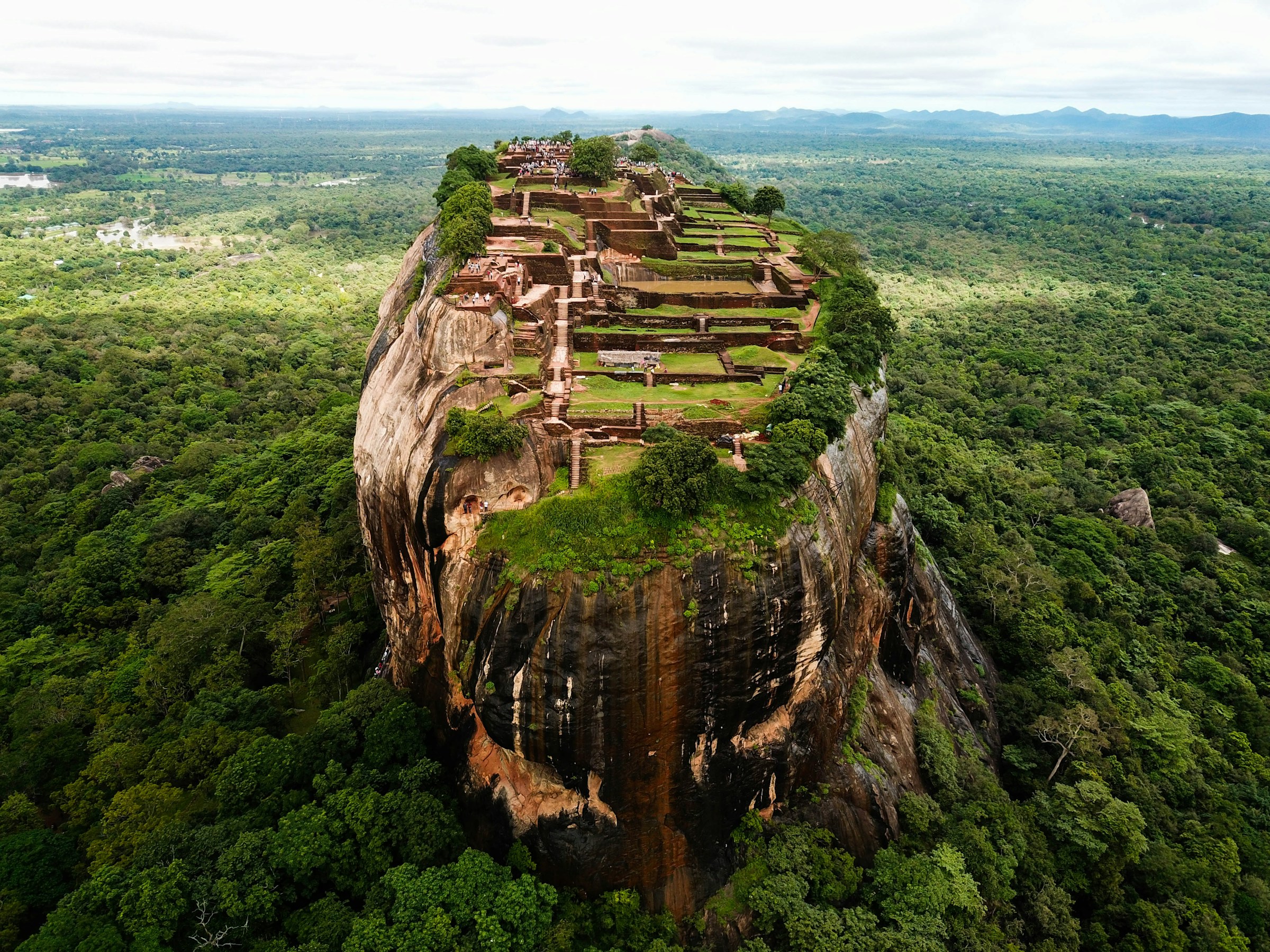
Sigiriya: The Complete Guide to Sri Lanka's Ancient Lion Rock Fortress
Discover everything about Sigiriya - history, ticket prices, best time to visit, how to reach, nearby attractions, and expert travel tips for 2025-2026.
Introduction to Sigiriya – The Eighth Wonder of the Ancient World
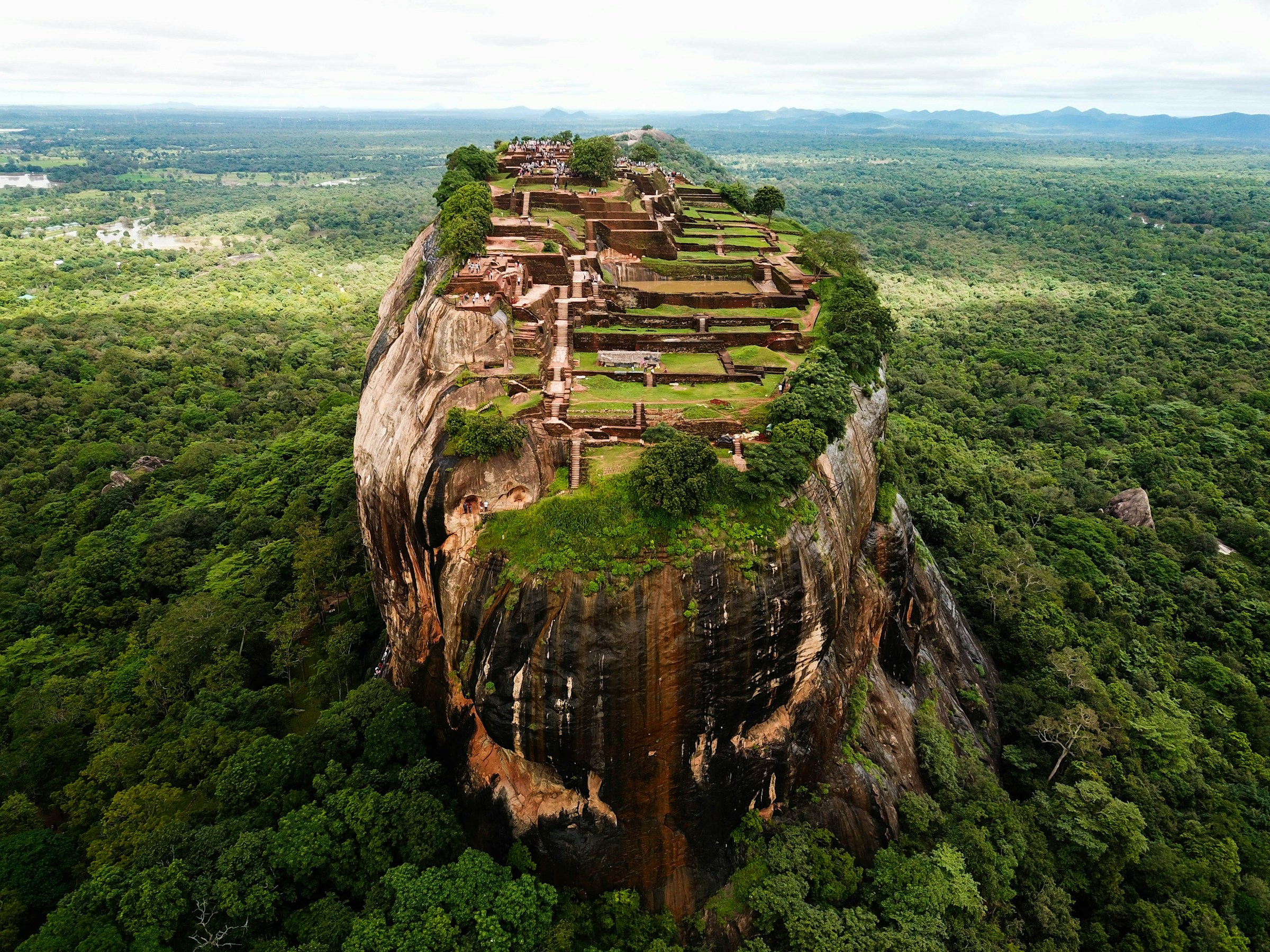
Rising dramatically 200 meters above the surrounding jungle, Sigiriya (also known as Lion Rock) stands as one of the most extraordinary archaeological sites in the world. This ancient rock fortress, located in the Matale District of Sri Lanka, attracts over one million visitors annually and is recognized as a UNESCO World Heritage Site. Built in the late 5th century by King Kashyapa I, this masterpiece of urban planning combines natural rock formations with sophisticated architecture, creating a palace complex that seems to touch the clouds.
Often described as the "Eighth Wonder of the Ancient World," Sigiriya is not merely a historical monument – it's a testament to ancient Sri Lankan engineering, art, and royal ambition. The site features remnants of a once-magnificent palace, beautiful frescoes of celestial maidens, a massive lion-shaped gateway, and some of the oldest landscaped gardens in Asia.
Why Visit Sigiriya? – Top Reasons to Include in Your Sri Lanka Itinerary
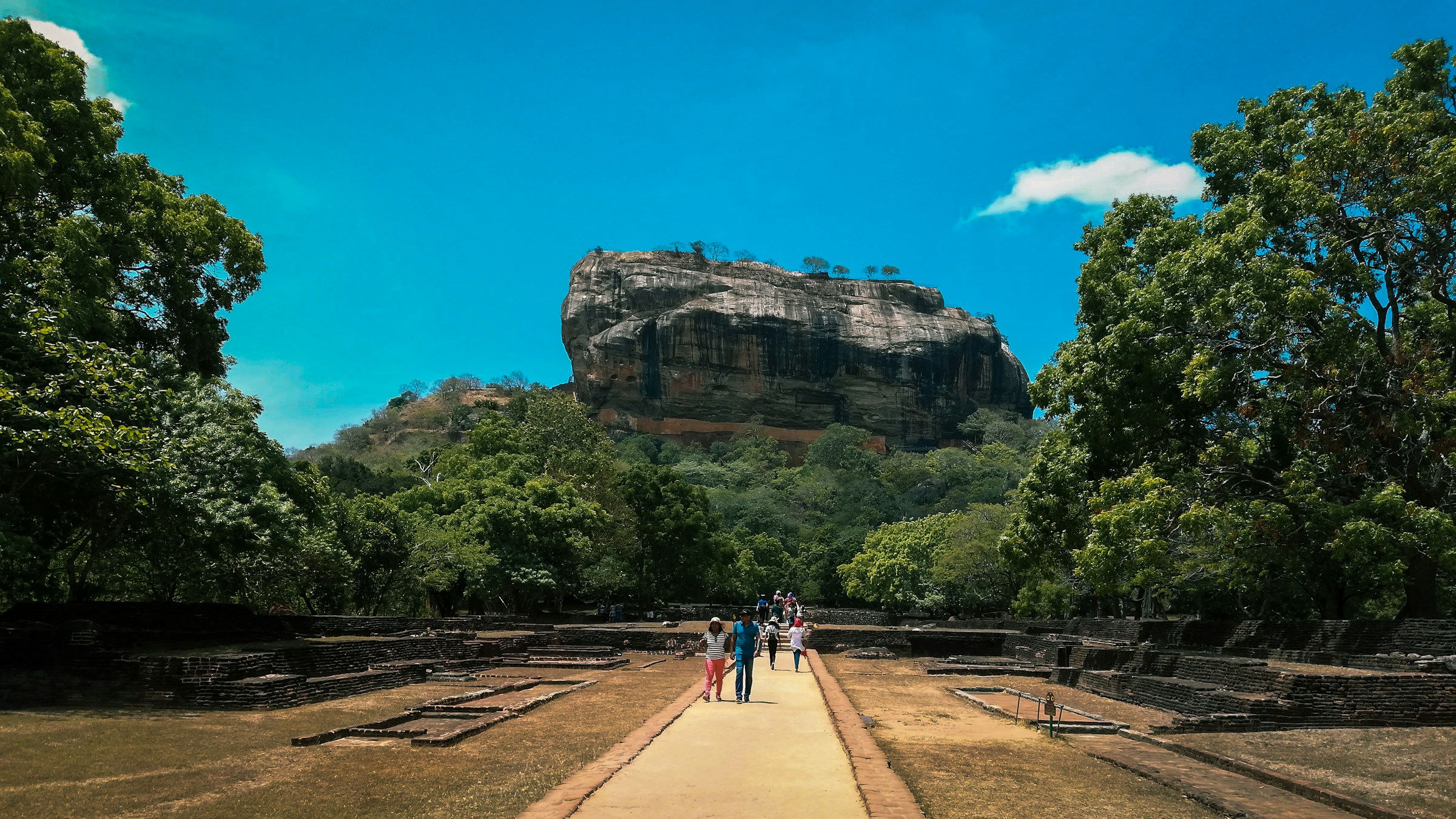
- UNESCO World Heritage Site: Recognized globally for its outstanding cultural value
- Breathtaking Panoramic Views: Witness spectacular sunrise and sunset views from the summit
- Ancient Frescoes: See the famous "Sigiriya Maidens" paintings that are over 1,500 years old
- Mirror Wall: View ancient graffiti written by visitors from the 7th to 13th centuries
- Lion's Paw Entrance: Marvel at the massive stone paws – all that remains of the lion-shaped gateway
- Hydraulic Gardens: Explore one of the world's oldest landscaped gardens with working fountains
- Archaeological Wonder: Discover advanced urban planning, water systems, and defensive structures
Sigiriya History – The Story of King Kashyapa's Sky Palace
The history of Sigiriya is as dramatic as its appearance. In 477 AD, King Kashyapa seized the throne from his father, King Dhatusena, and fearing retaliation from his half-brother Moggallana (the rightful heir), he moved his capital to the impenetrable rock of Sigiriya. Between 477 and 495 AD, Kashyapa transformed this massive monolith into a luxurious palace and fortress.
The king's ambition, however, was short-lived. In 495 AD, Moggallana returned with an army, and Kashyapa, riding into battle on his war elephant, was defeated. Following his death, Sigiriya was abandoned as a royal residence and became a Buddhist monastery, remaining in use until the 14th century before being swallowed by the jungle.
The site was largely forgotten until 1831 when British explorer Major Jonathan Forbes "discovered" the ruins while returning from a trip to Polonnaruwa. Formal archaeological work began in the 1890s under H.C.P. Bell, the first Commissioner of Archaeology in Ceylon. Today, Sigiriya stands as Sri Lanka's most visited tourist attraction and a source of national pride.
Sigiriya Ticket Prices and Entry Fees (2025-2026)
| Visitor Category | Price (USD) | Price (LKR) |
|---|---|---|
| Foreign Adult | $30 | ~9,000 LKR |
| Foreign Child (6-12 years) | $15 | ~4,500 LKR |
| SAARC Adult | $15 | ~4,500 LKR |
| SAARC Child | $8 | ~2,400 LKR |
| Local Adult | - | 50 LKR |
| Local Child | - | 30 LKR |
Note: Tickets include access to the Sigiriya Museum. Prices are subject to change – verify at the official counter. Tickets can be purchased at the entrance (cash or card accepted).
Sigiriya Opening Hours – Best Times to Visit
Daily: 7:00 AM – 5:30 PM (Last entry at 5:00 PM)
Museum Hours: 8:00 AM – 5:00 PM (Closed on Poya days)
The site is open 365 days a year, including public holidays. The best time to visit is early morning (7:00 AM – 9:00 AM) to avoid heat and crowds. Late afternoons (3:00 PM – 5:00 PM) also offer beautiful light for photography and cooler climbing conditions.
How to Reach Sigiriya – Complete Transportation Guide
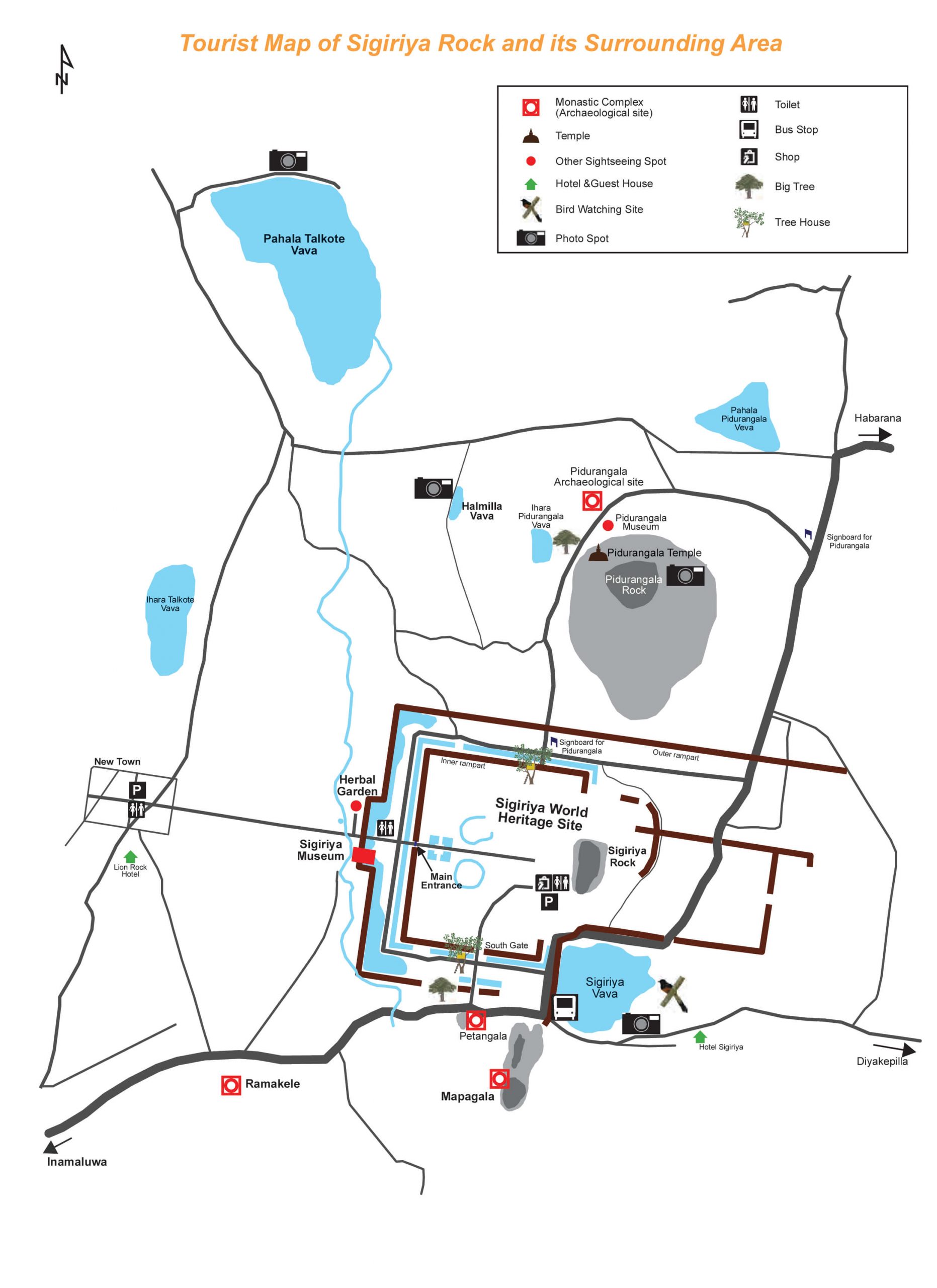
From Colombo (Approximately 170 km – 4-5 hours)
- By Private Car/Taxi: Most comfortable option. Cost ~$80-100 (25,000-30,000 LKR) one way. Route: Colombo → Kurunegala → Dambulla → Sigiriya.
- By Bus: Take an air-conditioned bus from Colombo to Dambulla (4 hours, ~500 LKR), then local bus or tuk-tuk to Sigiriya (30 minutes, ~300 LKR).
- By Train + Bus: Train from Colombo to Habarana (4-5 hours, ~300 LKR), then taxi/tuk-tuk to Sigiriya (25 minutes, ~2,000 LKR).
From Kandy (Approximately 90 km – 2.5-3 hours)
- By Bus: Direct bus from Kandy to Dambulla (2.5 hours), then local transport to Sigiriya.
- By Taxi: Private taxi cost ~$50-60 (15,000-18,000 LKR).
From Dambulla (Nearest Town – 15 km)
- Tuk-tuk: 20-25 minutes, cost ~1,000-1,500 LKR.
- Local Bus: Regular service, ~50 LKR, 30 minutes.
Sigiriya Climbing Guide – What to Expect on the Ascent
The climb to the summit involves approximately 1,200 steps and takes 45-60 minutes depending on fitness level. Here's what you'll encounter:
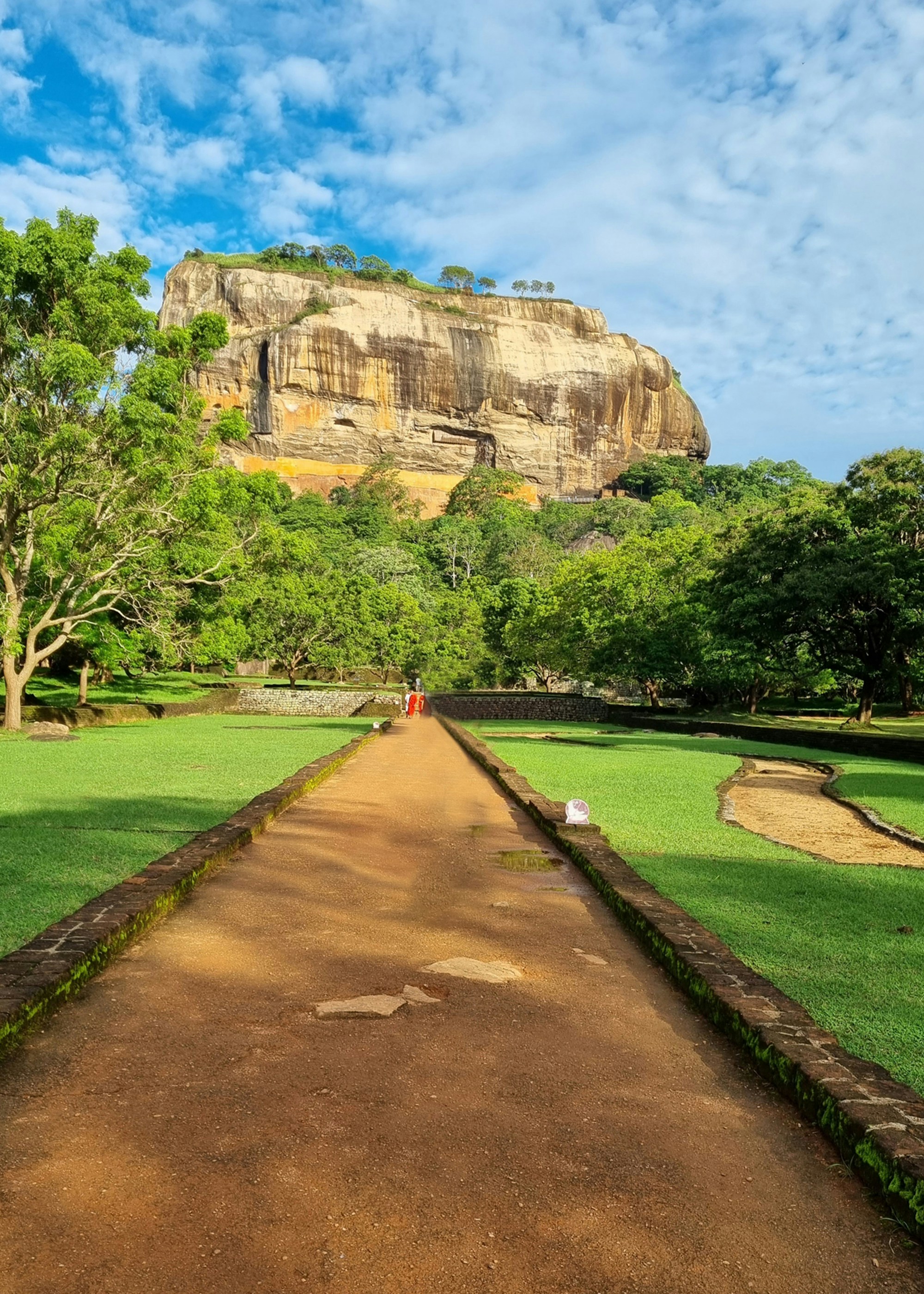
- The Water Gardens: Start your journey through symmetrical pools and fountains
- The Boulder Gardens: Ancient rock shelters and meditation caves
- The Mirror Wall: Originally polished so the king could see himself walking alongside
- The Fresco Gallery: Protected area with the famous paintings (no photography allowed)
- The Lion Staircase: Climb through the massive lion paws
- The Summit: Explore palace ruins and enjoy 360° panoramic views
Climbing Tips:
- Wear comfortable walking shoes with good grip
- Carry at least 1 liter of water per person
- Use sunscreen and wear a hat
- Take breaks – there are rest areas along the way
- The climb is moderately strenuous – not recommended for those with heart conditions or severe vertigo
Sigiriya Frescoes – The Celestial Maidens
One of Sigiriya's greatest treasures is the gallery of frescoes located halfway up the rock. Originally, there were over 500 paintings covering an area 140 meters long and 40 meters high. Today, only about 22 survive, protected in a sheltered pocket of the rock face.
These paintings depict beautiful women, believed to be either celestial nymphs (apsaras), royal ladies, or symbolic figures associated with fertility and protection. They are painted with remarkable skill using natural pigments that have survived for over 1,500 years. The women are depicted with elaborate jewelry, flowing garments, and serene expressions, holding flowers or making offering gestures.
Note: Photography is strictly prohibited in the fresco gallery to preserve these fragile paintings.
Sigiriya Mirror Wall – Ancient Graffiti
Below the fresco gallery lies the Mirror Wall – a surface originally polished so smooth that the king could see his reflection while walking alongside it. This wall became a "visitor's book" between the 7th and 13th centuries, with monks, nobles, and travelers inscribing poems and messages.
Over 1,500 inscriptions have been recorded, written in Sinhala, Sanskrit, and Tamil. Many express admiration for the beauty of the frescoes and the site itself. One famous inscription reads: "The ladies with golden bodies, who reside in this palace, came down to see the king and asked him to stay a while."
Lion Staircase – The Iconic Entrance
The final approach to the summit was through a massive lion-shaped gateway. The head and shoulders of the lion are long gone, but the enormous brick paws remain, giving visitors a sense of the original scale. Visitors would have entered through the lion's mouth, symbolically being "reborn" as they ascended to the royal palace.
Today, you climb a series of spiral staircases attached to the rock face, passing between the massive paws – one of the most photographed spots in Sri Lanka.
Sigiriya Summit – The Sky Palace
At the top, you'll find the remains of King Kashyapa's palace complex, including foundations of buildings, a large throne, swimming pools, and extensive foundations. The summit covers about 1.6 hectares and offers spectacular 360-degree views of the surrounding jungle, distant mountains, and the geometric water gardens below.
On a clear day, you can see as far as the Knuckles Mountain Range. This is the perfect spot for photography and contemplation.
Sigiriya Museum – Essential Context
The Sigiriya Museum, located at the base of the rock, is included in your entrance ticket. It features excellent exhibits on the history, archaeology, and art of Sigiriya, including models, artifacts, and detailed explanations. Allocate 30-45 minutes to explore the museum before or after your climb.
Best Time to Visit Sigiriya – Seasonal Guide
Peak Season (December – March): Best weather – dry and cool. Also the busiest time.
Shoulder Season (April – September): Hot and humid. Early morning visits essential.
Rainy Season (October – November): Intermittent rain, fewer crowds, lush greenery.
Time of Day:
- Sunrise (6:30-7:00 AM): Magical light, cool temperatures, fewer crowds
- Midday (11:00 AM – 2:00 PM): Intensely hot – not recommended
- Late Afternoon (3:00-5:00 PM): Beautiful golden light, less heat
Nearby Attractions – Extended Itinerary
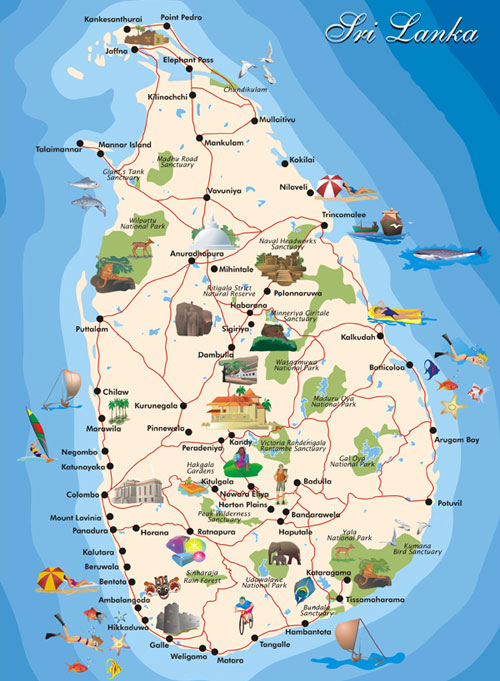
| Attraction | Distance | Highlights |
|---|---|---|
| Pidurangala Rock | 2 km | Best viewpoint for Sigiriya, sunrise hikes, cheaper than Sigiriya |
| Dambulla Cave Temple | 15 km | UNESCO site with 5 caves, 157 Buddha statues, 2,100 sqm of paintings |
| Minneriya National Park | 35 km | Famous for elephant gathering (July-October), jeep safaris |
| Polonnaruwa Ancient City | 60 km | UNESCO site, 12th-century capital, Gal Vihara Buddha statues |
| Anuradhapura | 90 km | First ancient capital, sacred Bodhi tree, massive stupas |
Where to Stay Near Sigiriya – Accommodation Options
Luxury Resorts ($150-500 per night)
- Jetwing Lake: Modern luxury resort with stunning lake views
- Aliya Resort & Spa: Beautiful infinity pool, excellent service
- Heritance Kandalama: Iconic eco-luxury hotel by Geoffrey Bawa
Mid-Range Hotels ($50-150 per night)
- Sigiriya Jungles: Nature-inspired hotel with pool
- Hotel Sigiriya: Classic property with excellent restaurant
- Cassandra by Camellia: Boutique hotel with rock views
Budget Options ($15-50 per night)
- Sigiriya King's Resort: Clean, basic, good location
- Green Grass Guest House: Family-run with home cooking
- Liyya Water Villas: Eco-friendly cabanas
Sri Lanka Visa Information for Sigiriya Visit
Most visitors to Sri Lanka require an Electronic Travel Authorization (ETA):
- Tourist ETA: $35-50, valid for 30 days with double entry
- Processing time: 24-72 hours
- Application: Official website – eta.gov.lk
- On arrival: Available at Colombo airport for an additional fee
Passport must be valid for at least 6 months from arrival date.
Essential Travel Tips for Sigiriya
- Start early: Beat the heat and crowds – arrive by 7:00 AM
- Carry cash: Some smaller vendors don't accept cards
- Bring water: At least 1 liter per person; available for purchase on-site
- Wear proper footwear: Sturdy walking shoes with good grip
- Protect from sun: Hat, sunglasses, sunscreen essential
- Watch for wasps: Particularly near the fresco gallery – stay calm if you encounter them
- Hire a guide: Official guides (~$30) provide historical context and help navigate
- Check weather: Avoid climbing if rain is forecast – steps become slippery
- Secure belongings: Monkeys are active – don't leave food or valuables unattended
- Allow 3-4 hours: For the complete experience including museum
Sigiriya Photography Tips
- Best light: Early morning (7:00-9:00 AM) and late afternoon (3:30-5:30 PM)
- Sunrise viewpoint: Pidurangala Rock offers the classic Sigiriya silhouette shot
- Drone policy: Strictly prohibited – don't attempt to fly drones
- Fresco gallery: No photography allowed – respect the rules
- Summit panoramas: Wide-angle lens recommended
- Lion paws: Most iconic photo spot – arrive early to avoid queues
Frequently Asked Questions About Sigiriya
Is Sigiriya worth visiting?
Absolutely – it's Sri Lanka's most spectacular archaeological site and a UNESCO World Heritage Site. The combination of history, art, architecture, and natural beauty makes it unforgettable.
How difficult is the Sigiriya climb?
Moderately strenuous – approximately 1,200 steps with some steep sections. Most people with average fitness can complete it in 45-60 minutes with breaks. Not recommended for those with heart conditions, severe vertigo, or mobility issues.
Can I visit Sigiriya and Pidurangala on the same day?
Yes – many visitors do Pidurangala for sunrise (5:30-6:30 AM), then Sigiriya after breakfast (8:00-11:00 AM). This requires good fitness and an early start.
What should I wear to climb Sigiriya?
Comfortable, breathable clothing and sturdy walking shoes. Lightweight pants are better than shorts for sun protection. A hat and sunglasses are essential.
Are there restrooms at Sigiriya?
Yes – at the entrance, near the museum, and at the base of the rock. No facilities on the rock itself.
Can I buy tickets online for Sigiriya?
Currently, tickets are purchased on-site. The process is efficient with multiple counters. Credit cards accepted.
How much time do I need at Sigiriya?
Plan 3-4 hours total – 45-60 minutes climb, 30-45 minutes at summit, 30 minutes descent, and 30-45 minutes at the museum.
Is Sigiriya safe for solo female travelers?
Yes – the site is very safe with good security. Many solo female travelers visit without issues. Take normal precautions.
What is the best month to visit Sigiriya?
January to March offers the best weather – dry, cool, and sunny. July to September is also good with the elephant gathering at nearby Minneriya.
Can I climb Sigiriya during rain?
Not recommended – the steps become extremely slippery and dangerous. The site may close temporarily during heavy rain.
Sigiriya in Popular Culture and Media
Sigiriya has been featured in numerous documentaries, including BBC's "Lost Kingdoms of the World" and National Geographic's "Ancient Megastructures." It has also appeared in travel shows like "Globe Trekker" and various international publications. The site was a finalist in the New7Wonders of the World campaign and remains one of Asia's most iconic landmarks.
Conservation and Preservation Efforts
The Sri Lankan government and UNESCO have invested heavily in preserving Sigiriya. Recent projects include:
- Fresco conservation: Climate-controlled protection and regular monitoring
- Mirror Wall stabilization: Preventing further erosion of inscriptions
- Site management: Controlled visitor numbers and improved pathways
- Research: Ongoing archaeological investigations using modern technology
Sustainable Tourism at Sigiriya
Visitors can contribute to preservation by:
- Staying on designated paths
- Not touching the frescoes or Mirror Wall
- Disposing of trash properly
- Respecting photography restrictions
- Supporting local communities by hiring guides and buying from vendors
Conclusion – Why Sigiriya Should Be on Your Bucket List
Sigiriya is more than just a tourist attraction – it's a journey through time, a test of endurance, and an encounter with ancient genius. From the moment you pass through the water gardens to the final panoramic view from the summit, every step reveals new wonders. The story of King Kashyapa's ambition, the beauty of the celestial maidens, the whispers of ancient poets on the Mirror Wall, and the sheer audacity of building a palace on a rock – these elements combine to create an experience that stays with you forever.
Whether you're a history enthusiast, architecture lover, nature photographer, or curious traveler, Sigiriya delivers on every level. It's no wonder this ancient fortress has captured the imagination of visitors for over 1,500 years and continues to be Sri Lanka's most celebrated treasure.
Plan your visit wisely, respect the site's significance, and prepare for an unforgettable adventure at the Lion Rock.
Quick Reference – Sigiriya at a Glance
| Location: | Matale District, Central Province, Sri Lanka |
| Coordinates: | 7°57′25″N 80°45′35″E |
| Built: | Late 5th century AD (477-495 AD) |
| Builder: | King Kashyapa I |
| Height: | 200 meters (660 feet) |
| Steps: | Approximately 1,200 |
| UNESCO Designation: | 1982 |
| Annual Visitors: | 1,000,000+ |
| Entry Fee (Foreign Adult): | $30 USD |
| Opening Hours: | 7:00 AM – 5:30 PM |
Last updated: February 2025 | For the latest information, verify with official sources before your visit.
Leave a Comment