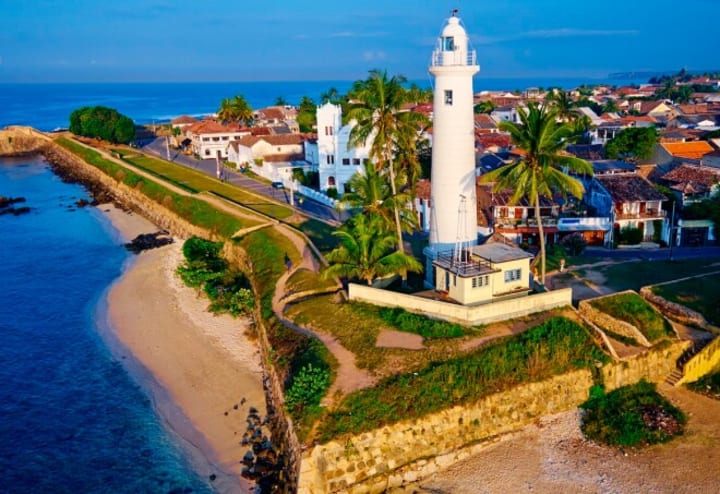
Along the southwestern coast of Sri Lanka, where the Indian Ocean meets lush tropical landscape, sits the historic city of Galle. Unlike anywhere else on the island, this destination weaves together centuries of colonial history, vibrant local culture, and some of the most beautiful beaches in South Asia.
What makes Galle truly special is how different eras coexist here. Dutch forts from the 1600s stand alongside bustling fish markets. Ancient Buddhist temples sit minutes away from world-class surf breaks. Narrow streets lined with Portuguese-era buildings lead to hidden cafes serving contemporary Sri Lankan cuisine.
This guide explores every corner of Galle and its surroundings - from the famous UNESCO fort to remote beaches only locals know about, from traditional stilt fishermen to the best places to try authentic hoppers and kottu roti.
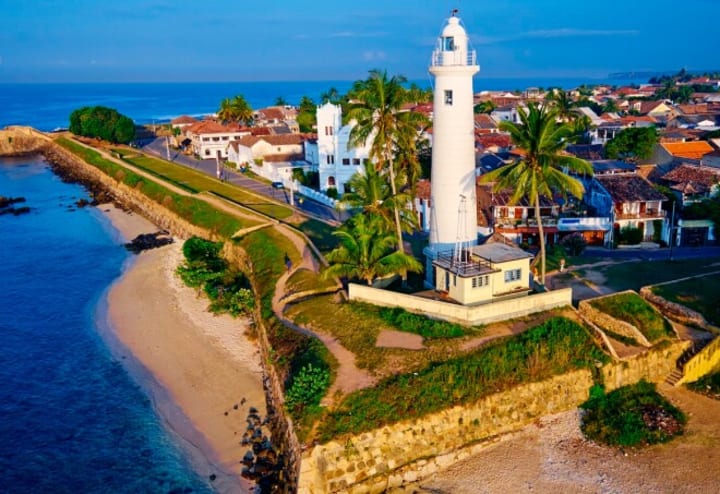
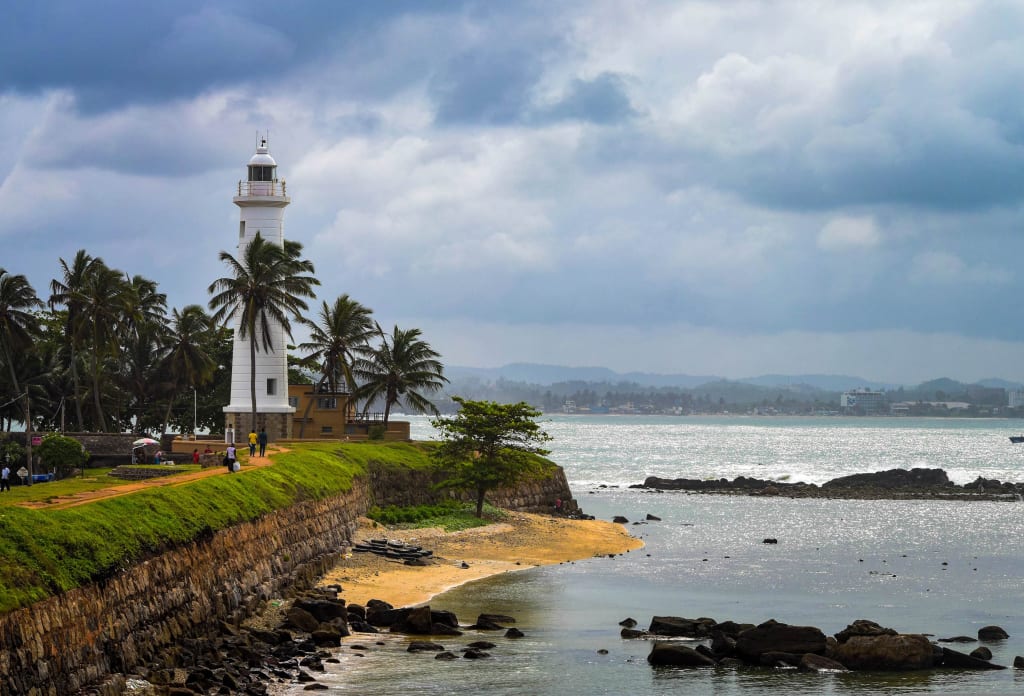
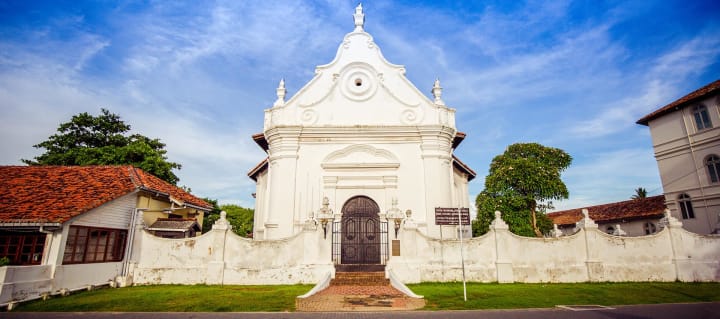
The Galle Fort stands as the crown jewel of the city. Built initially by the Portuguese in 1588 and later extensively fortified by the Dutch during the 17th century, this massive structure stretches across 36 hectares with walls rising 12 meters high in some sections. UNESCO designated it a World Heritage site in 1988, recognizing its unique fusion of European architecture and South Asian traditions.
Walking the fort walls at sunset has become ritual for visitors and locals alike. The four-kilometer perimeter offers panoramic views of the ocean on one side and the tiled rooftops of the fort's interior on the other. Fishermen cast lines from the rocks below while families picnic on the grass above. Kite sellers do brisk business as the light turns golden.
Inside the fort walls lies a living neighborhood, not a museum piece. Lawyers head to colonial-era courts. Children walk to school past buildings dating to 1700. Jewelry shops display sapphires and moonstones alongside boutiques selling handmade textiles. The difference between tourist areas and residential zones blurs here, creating an authentic atmosphere.
Beyond the main attractions, the fort's charm lies in wandering without destination. Pedlar Street hosts cafes where travelers linger over ginger tea. Leyn Baan Street offers antique shops filled with colonial-era maps and reproductions. Small art galleries showcase contemporary Sri Lankan artists. Each lane reveals something unexpected.
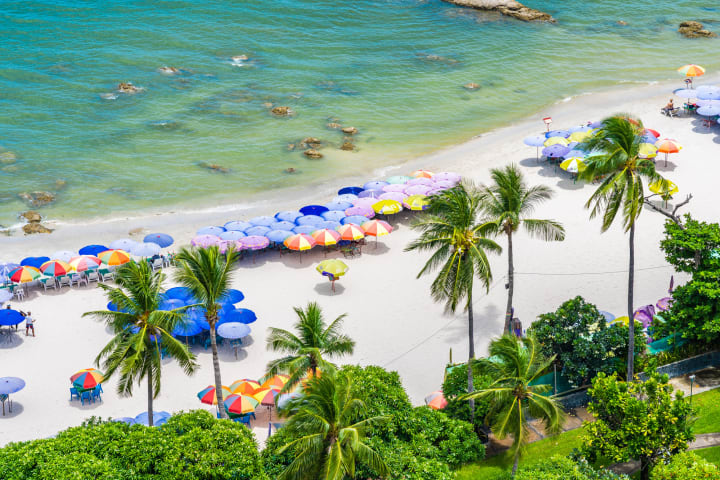
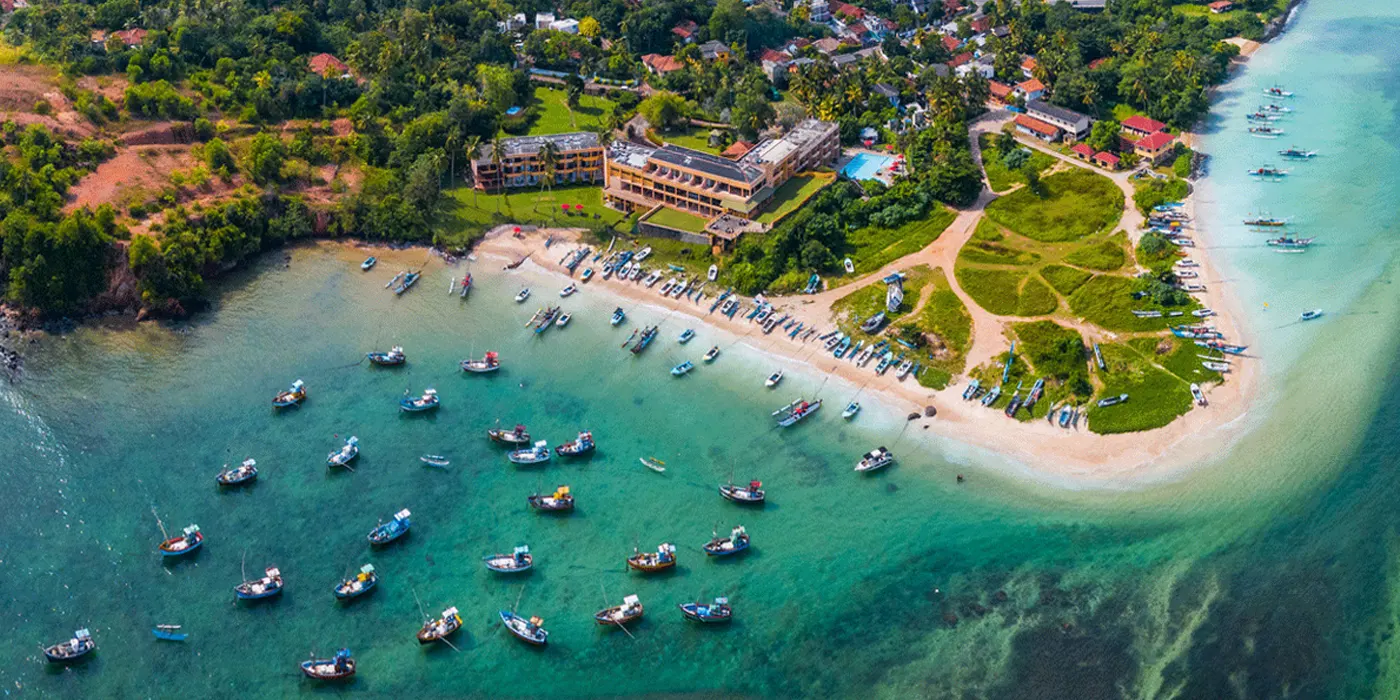
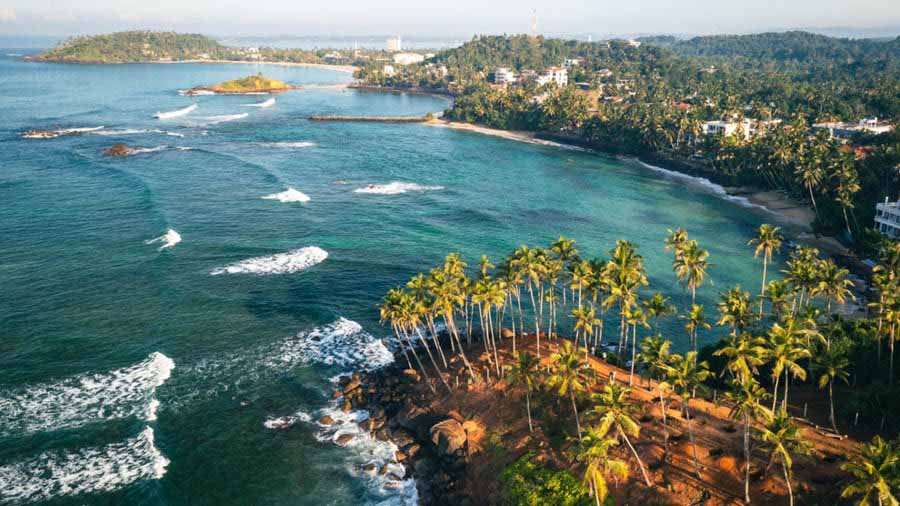
Six kilometers south of Galle Fort lies Unawatuna, a curved bay of golden sand and palm trees. The beach earned its shape from the 2004 tsunami that reshaped the coastline, but today it has returned to peaceful beauty. The water stays calm year-round thanks to an offshore reef, making it ideal for swimming when other beaches turn rough.
Restaurants line the sand, serving fresh tuna, lobster, and crab pulled from local waters. Sunbeds rent for a few dollars daily. Behind the beach, guesthouses hide among coconut groves. Jungle Beach, a smaller cove accessible by a ten-minute walk through forest from Unawatuna's northern end, offers quieter swimming with fewer vendors.
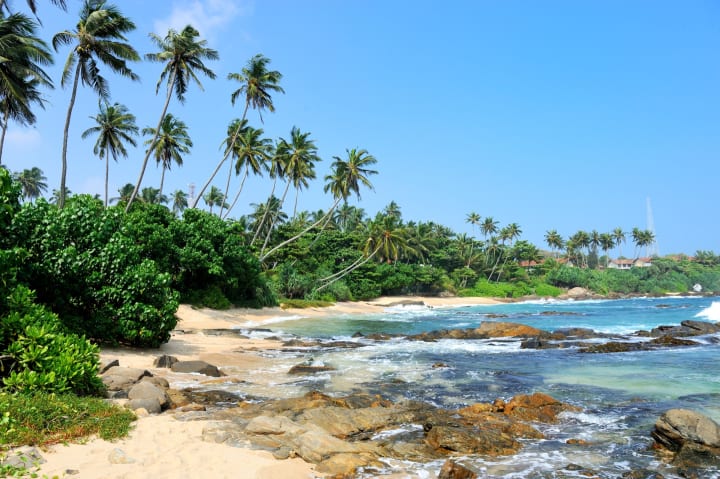
Twenty kilometers north of Galle, Hikkaduwa developed a reputation in the 1970s as Sri Lanka's original backpacker beach. That energy continues today, though the town now welcomes all types of travelers. The main draw sits just offshore: a coral sanctuary visible through glass-bottom boats or while snorkeling. Green sea turtles gather near the beach most mornings, drawn by fishermen cleaning their catches.
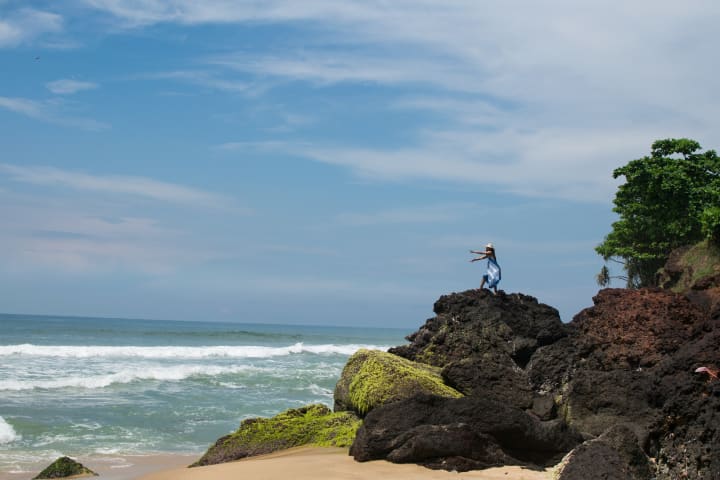
The town divides into two sections. The main strip near the bus stand hosts budget accommodations and casual eateries. Further south, Narigama Beach stretches for three kilometers with higher-end resorts and fewer crowds. Between November and March, consistent waves attract surfers to breaks along this coast.
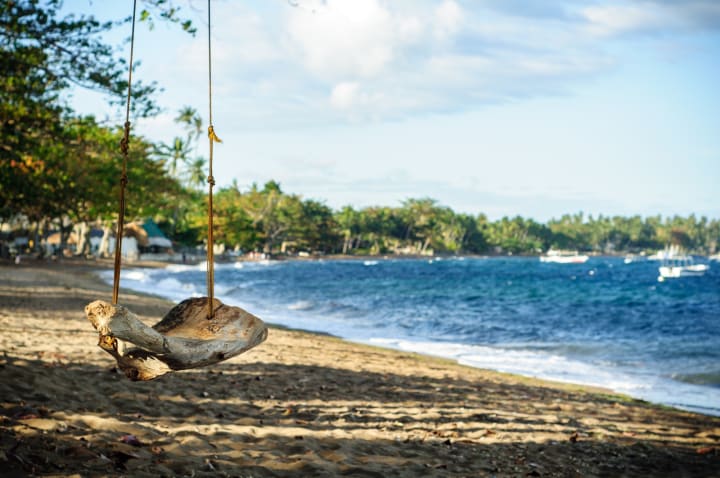
Hidden between Galle and Unawatuna, Jungle Beach requires a fifteen-minute walk down a forested path to reach. The effort rewards visitors with one of the region's most scenic coves: a half-circle of sand framed by rocky headlands and dense vegetation. The reef protects swimming areas and attracts colorful fish. Limited development means bringing supplies, but a small cafe operates during peak season.
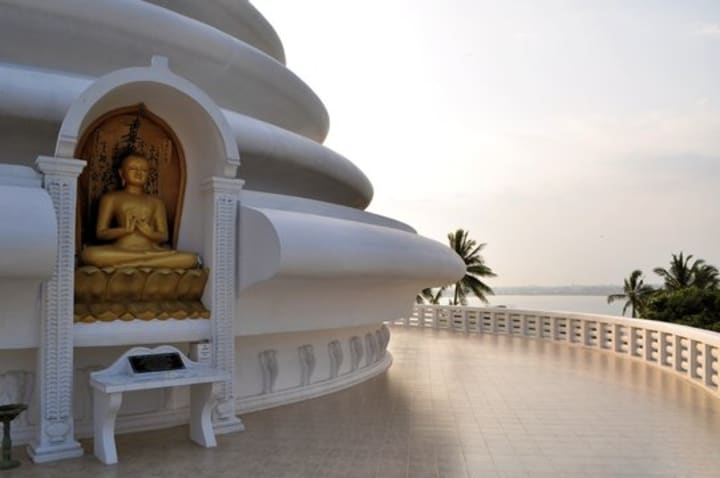
Just past Unawatuna toward Galle, Dalawella gained fame for its rope swing that launches swimmers into turquoise water. Beyond the Instagram spot, the beach offers decent snorkeling along its edges and a more relaxed atmosphere than Unawatuna's main strip. Japanese Peace Pagoda sits on the hill above, accessible by a winding road through tea bushes.
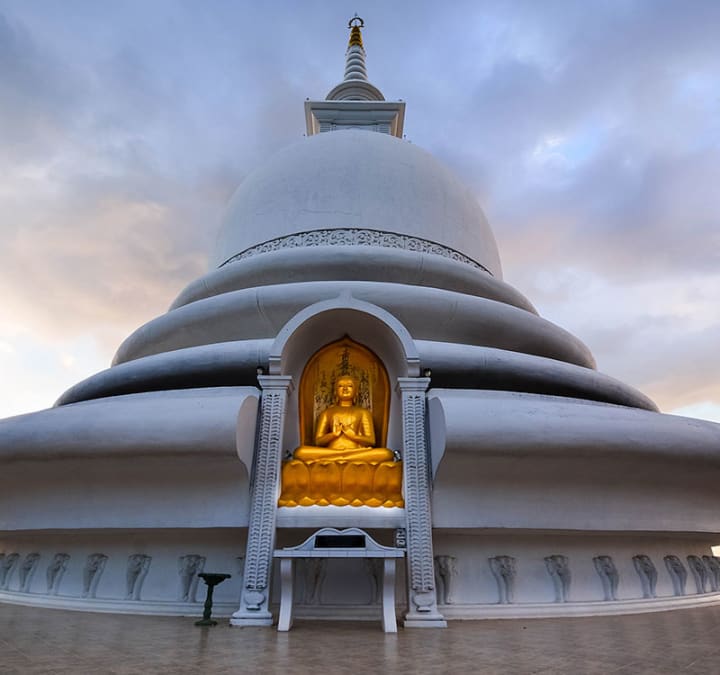
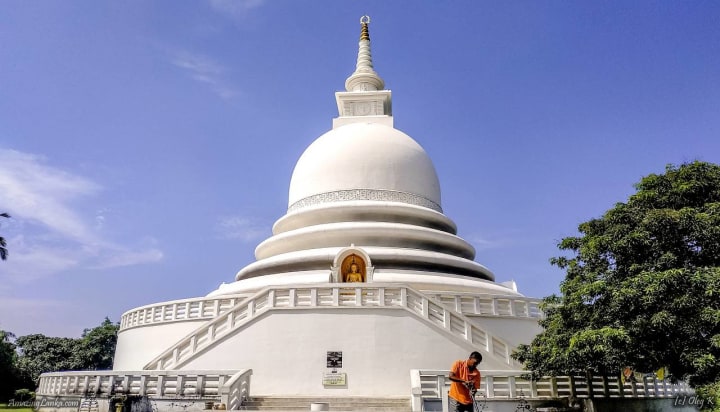
Perched on a hill between Galle and Unawatuna, the white Peace Pagoda glows at sunrise and sunset. Built by Japanese monks in the early 2000s, it stands as one of dozens worldwide intended to inspire peace. The structure follows traditional Buddhist design with curved white walls and golden statues. From its terrace, views stretch across the ocean to the opposite coast on clear days.
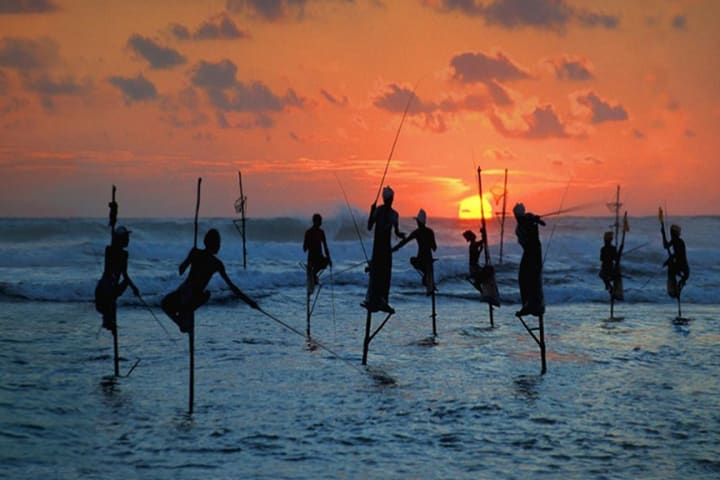
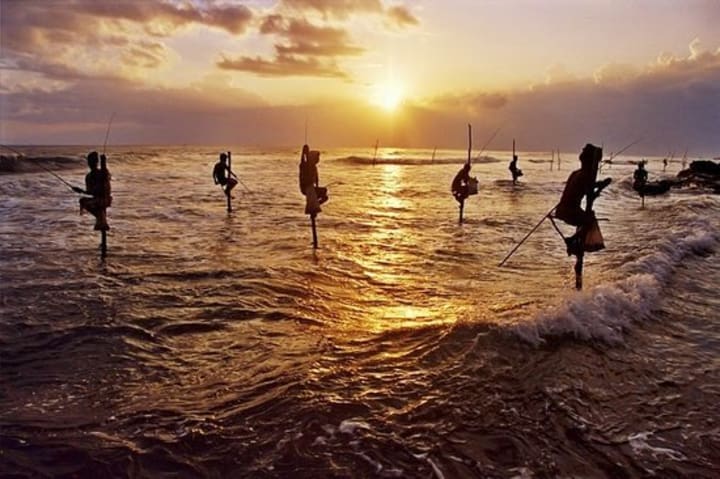
Along the coast between Galle and Weligama, stilt fishermen balance on narrow poles planted in the seabed. This technique emerged after World War II when food shortages pushed fishermen to innovate. Today, while most commercial fishing uses modern methods, stilt fishing continues along this stretch - partly for tradition, partly for photographers who pay for staged shots.
The best viewing spots cluster around Koggala, about 15 kilometers east of Galle. Early morning and late afternoon bring fishermen out, sometimes posing for photos for a small fee. Understanding that this practice now exists largely for visitors adds context to the images travelers capture.
In Koggala, this museum honors Sri Lanka's most celebrated writer while preserving rural traditions disappearing from modern life. The complex includes a recreated village with traditional houses, farming implements, and craft demonstrations. Wickramasinghe's own childhood home stands nearby, preserved as he described it in his novels. The museum grounds, with their mature trees and quiet paths, offer peaceful respite from coastal heat.
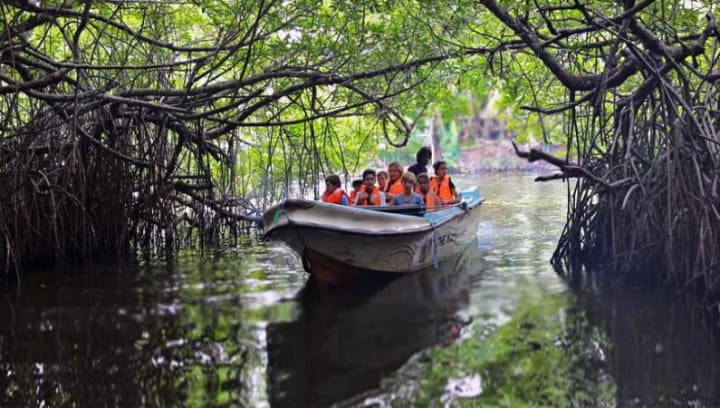
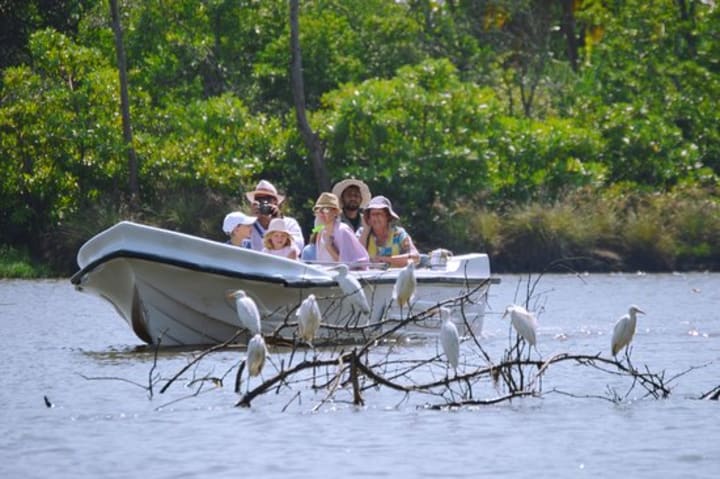
The Mahamodara River flows through Galle's eastern edge, creating mangrove forests and tidal lagoons. Boat tours navigate these waterways, passing small fishing settlements and dense vegetation where monitor lizards bask on branches. Birdwatchers spot kingfishers, herons, and eagles. Some tours include visits to cinnamon farms where workers demonstrate peeling bark from harvested branches.
Eating ranks among the great pleasures of visiting Galle. The city's position as a port has always brought diverse influences, while its surrounding waters and farmlands supply exceptional ingredients.
Within Galle Fort, restaurants range from street-side vendors selling short eats to elegant colonial-era buildings serving multi-course tasting menus. Lucky Fort Restaurant and The Tuna & The Crab draw consistent praise. Outside the fort, simple eateries near the bus stand serve meals for a fraction of fort prices with equal authenticity.
The Galle Fish Market operates each morning near the old harbor, with the night's catch auctioned before dawn. While not a tourist attraction, early risers who wander through witness the rhythm feeding the city.
Sri Lanka produces half the world's gem-quality moonstones, and mines around Meetiyagoda, 30 kilometers north of Galle, offer glimpses of this industry. Traditional mining involves digging vertical shafts through sand and clay until reaching the gem-bearing layer. Visitors can tour small-scale operations, watch cutting and polishing, and purchase stones directly. Moonstones from this region display the blue shimmer prized in jewelry.
While the famous tea plantations lie further inland, the hills above Galle harbor small tea factories processing leaves from local smallholders. Handunugoda Tea Estate, known as the "Virgin White Tea" factory, sits among rubber and coconut plantations just north of Galle. Their tasting room overlooks rolling hills where workers pluck leaves by hand using methods unchanged for generations.
Galle resists quick categorization. It functions simultaneously as a working city, a historic monument, and a beach destination. These layers give the place its depth, allowing visitors to spend days exploring without exhausting possibilities.
The fort rewards those who walk its walls at different hours, watching light change across centuries-old stone. The beaches offer both lively social scenes and hidden coves for solitude. The food reflects centuries of trade and migration, each dish telling a larger story.
For travelers moving through Sri Lanka, Galle deserves more than a day trip. Three or four days allow the city to reveal its character - the morning fish auction, the afternoon light through Dutch windows, the evening stroll along the ramparts with local families sharing the path. These moments accumulate into understanding why this small coastal city captures so many visitors.
Leave a Comment